Selling Your Home in NJ? Railing Requirements for a CCO Inspection
Learn key railing requirements for a smooth NJ home sale and avoid CCO inspection delays.
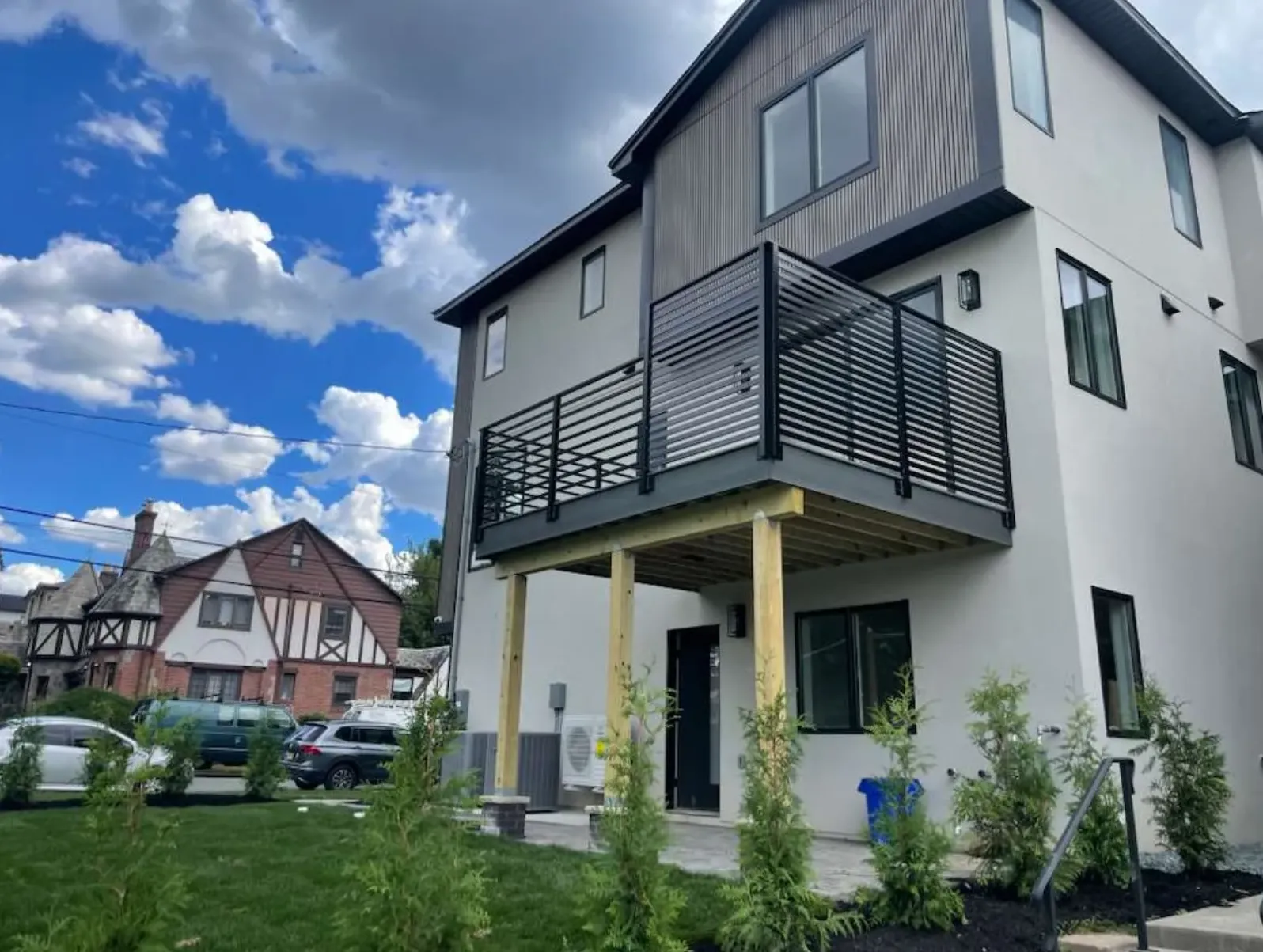
AK Welding LLC | Custom Aluminum Railings | Bergen County, NJ
Quick answer: Many New Jersey towns inspect a home before it can be sold, and railings are one of the most common reasons homes fail. Inspectors usually look for three things. Any stairs with four or more risers need a handrail. Any open side of a porch, deck, landing or balcony more than 30 inches above the ground needs a guardrail. And every railing has to be solid and firmly attached. If yours is missing, loose or rusted out, it’s usually a quick fix, but plan for it early so it doesn’t delay your closing.
What is a CCO, and does my town require one?
A Certificate of Continued Occupancy (CCO) is a document your town issues after an inspector walks through the house before a sale or rental. Towns call it different things: CCO, resale certificate, Certificate of Approval for Resale, or Certificate of Compliance.
New Jersey doesn’t require a CCO statewide. Each town decides. Every NJ sale needs the smoke detector, carbon monoxide alarm and fire extinguisher certificate, but only some towns add a full CCO inspection. Many Bergen County towns do, including Wyckoff, Fair Lawn and Demarest, so call your building department as soon as you list.
What do inspectors check on railings?
Every town has its own checklist, but these items show up on almost all of them:
1. Handrails on stairs with 4 or more risers
This covers front steps, back steps, deck stairs, porch stairs and basement stairs. Some towns also require a wall or balusters on both sides of the stairs.
2. Guardrails on anything more than 30 inches above grade
This means any open edge of a deck, porch, landing or balcony that’s more than 30 inches off the ground or floor below.
3. Railings must be firmly fastened
A railing that wobbles when you push on it is a fail, even if it’s the right height.
4. No rust-through, broken pieces or missing balusters
Old iron railings that have rusted at the base, cracked the concrete, or lost pickets get written up all the time.
5. Safe spacing
Under the residential code a 4-inch sphere shouldn’t fit through the balusters. Older railings with wide gaps can draw a comment, especially in homes where families with kids will live.
How high does the railing need to be?
These are the residential code numbers inspectors usually go by:
Handrails on stairs: 34 to 38 inches, measured from the front edge of the step
Guardrails on decks, porches and landings: at least 36 inches high
Baluster spacing: a 4-inch sphere should not pass through
Check with your town’s inspector, since local enforcement varies.
The most common railing fails we see before a sale
Front steps with no handrail at all. This is common on older Bergen County capes and colonials.
Rusted iron railings where the posts have rotted out at the concrete
Wobbly railings where the anchors have loosened over years of freeze-thaw
Decks or porches with stairs but no railing on the stairs
Basement stairs with no handrail
I failed my CCO inspection because of a railing. Now what?
Get the inspector’s report in writing so you know exactly what was flagged.
Call a railing contractor right away and send photos and the report. Something like “front steps, 5 risers, need handrail both sides” gets you an accurate quote quickly.
Schedule the fix and the reinspection. Most towns reinspect once you tell them the work is done.
Tell your attorney and agent where things stand. Buyers and attorneys sometimes negotiate around open items, but a fixed railing is always cleaner than a credit at closing.
Should I repair the old railing or replace it?
If the railing is only slightly loose and the metal is sound, re-anchoring can work. But if it’s rusted through at the base, the concrete is cracked around the posts, or it’s missing pieces, replacement is usually the better choice. It also looks better in listing photos.
Most of our pre-sale customers go with powder-coated aluminum. It doesn’t rust, never needs painting, holds up to snow and de-icing salt, and a clean black railing makes the entrance look updated in the listing.
How fast can a railing be installed before closing?
Every AK Welding railing is built to fit in our Ridgefield Park shop, then installed by our own crew, not subcontractors. Once it’s built, a typical front-step handrail goes in within a few hours. If you have a closing date, tell us when you call and we’ll give you our current lead time honestly.
Selling soon? Get your railing handled now.
AK Welding LLC has been fabricating and installing custom aluminum railings across North Jersey since 2007. We’re family-owned, veteran-owned, and licensed (NJ HIC #13VH08404200).
Call or text 201-620-1858 or request a quote at jimmywelding.com. Send a photo of your steps and your inspection report, and we’ll take it from there.
Frequently Asked Questions
Do all NJ towns require a CCO to sell a house?
No. New Jersey leaves it up to each town. Every sale needs a smoke and CO alarm certificate, but only some towns require a full CCO inspection. Check with your local building department.
Do I need a handrail on 3 steps?
Most checklists require a handrail when stairs have four or more risers. Many sellers add one to shorter steps anyway because buyers and their home inspectors often ask about it.
Will a loose railing fail a CCO inspection?
Usually, yes. Inspectors look for handrails and guardrails that are firmly fastened. A railing that moves when you push on it is a common write-up.
Can I sell my house with a failed CCO?
It depends on your town. Some allow a temporary or conditional certificate if the buyer agrees to make the repairs. Ask your attorney and building department. Fixing the railing is usually faster and simpler.
What’s the best railing material for NJ front steps?
Powder-coated aluminum. It won’t rust from salt or snow, doesn’t need painting, and stays solid for years.
Can you install a railing in winter?
Yes, in most conditions. We build the railing in the shop, and installation can usually be scheduled between storms.
Do you serve my town?
We install railings throughout Bergen, Passaic, Hudson and Essex counties.