Why Railings Matter for Your Home: Safety, Style, and Smart Ownership
Explore the crucial role of railings in your home for safety, style, and value. From building codes to material choices, make informed decisions.
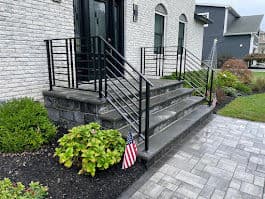
Here’s something most homeowners never think about until something goes wrong: the railing on your staircase, deck, or balcony is quietly doing some of the most important work in your home. It’s not glamorous. It doesn’t come up at dinner parties. But the day someone grabs it mid-slip on a wet porch step, or the day an inspector flags a missing section before a home sale closes, you’ll realize it matters a lot more than you gave it credit for.
This post breaks down why railings are one of the most underrated features in any residential property, covering everything from fall prevention and building codes to curb appeal and resale value. If you’ve been putting off a railing repair or upgrade, this might be the nudge you need.
The Real Cost of Skipping a Railing
Falls are the leading cause of home injury deaths in the United States, according to the CDC. And the majority of those falls happen on stairs, steps, and elevated surfaces, which is exactly where railings are designed to protect you.
A properly installed railing gives you something to grip when your footing is uncertain. That’s true whether you’re hauling a laundry basket down the basement stairs, navigating a slippery exterior deck on a rainy morning, or just moving through your home in dim light at 2 a.m. The railing is there so that a momentary loss of balance doesn’t turn into an emergency room visit.
For families with young children or older adults, this matters even more. Kids are unpredictable near edges. Older adults often have balance challenges that make handrails essential rather than optional. If anyone in your home is in either of these groups, a solid, graspable railing isn’t a nice-to-have. It’s a necessity.
Railings and Building Codes: What Homeowners Need to Know
Most homeowners are surprised to learn just how specific building codes are when it comes to railings. In the U.S., the International Residential Code (IRC) sets baseline requirements that most states and municipalities adopt, sometimes with local modifications. Here are the basics:
Guardrails are generally required on any open side of a stairway, balcony, or elevated floor that is 30 inches or more above the surface below.
Handrails on stairs must typically be between 34 and 38 inches in height, measured vertically from the stair nosing.
Balusters (the vertical posts between rails) must be spaced no more than 4 inches apart, so a 4-inch sphere cannot pass through, which prevents young children from getting stuck or falling through.
Railings must be structurally sound and capable of withstanding lateral loads, meaning they can’t be wobbly or loosely attached.
If you’re selling your home, refinancing, or doing any permitted renovation work, a code inspector will check these things. A railing that’s missing, too short, or structurally compromised can hold up a sale or require expensive last-minute repairs before closing. Staying ahead of it saves you headaches down the line.
Railings and Curb Appeal: More Impact Than You Think
Walk up to any home and the railing on the front porch or entry steps is one of the first details your eye lands on. It frames the entryway, sets a tone for the property’s overall upkeep, and signals to guests (and potential buyers) how well the home is maintained.
Peeling paint on a metal railing, rotting wood balusters, or rust-stained concrete around old posts all communicate neglect, even if the rest of the home is immaculate. On the flip side, a clean, well-matched railing system can genuinely elevate the look of a home’s exterior without a major renovation budget.
Today’s railing options go well beyond the standard white picket or black iron look. Cable railings give decks a modern, open feel. Glass panel systems work beautifully on contemporary homes where you don’t want to obstruct a view. Composite and aluminum railings mimic the look of wood without the ongoing maintenance. Whatever the architecture of your home, there’s a railing style that can complement it and add genuine character.
Planning for the Long Term: Aging in Place and Accessibility
One of the most overlooked reasons to invest in quality railings is long-term livability. If you plan to stay in your home as you age, or if you’re planning ahead for a family member who may eventually move in, accessible handrails throughout the home can make a huge difference in independence and confidence.
This means thinking beyond just the main staircase. Exterior entry steps, garage steps, basement stairs, and even hallway grab bars all factor into how safely and comfortably someone can move through the space. A continuous graspable handrail, one that extends fully from top to bottom of a staircase without gaps, is the gold standard for stair safety and is something many older homes simply don’t have.
Retrofitting railings with aging-in-place in mind is generally far less expensive than dealing with a fall-related injury or relocating to an assisted living facility prematurely. It’s one of those investments where the return is largely invisible until the moment you need it, and then it’s everything.
Signs Your Railing Needs Attention Right Now
Not every railing problem is obvious, but there are some clear red flags that mean you shouldn’t wait to address them:
Wobbling or movement when you grab it. A railing that shifts underfoot pressure has a compromised connection at the post base or top rail. This is a structural issue, not a cosmetic one.
Rot or soft spots in wood railings. Wood that’s soft to the touch or crumbling at joints has lost its structural integrity and needs to be replaced, not painted over.
Missing balusters. Any gap wide enough for a child to squeeze through is a hazard.
Rust on metal railings that goes beyond surface-level. Surface rust can often be treated, but deep corrosion weakens the metal itself.
Height or spacing that doesn’t meet current code. Older homes especially may have railings that were legal when built but no longer meet modern safety standards.
Choosing the Right Railing Material for Your Home
Once you’ve decided to install or upgrade railings, the next question is material. Each option comes with its own balance of cost, maintenance, and aesthetics:
Wood is classic and versatile, but requires regular sealing, painting, or staining to resist moisture and rot, especially in exterior applications.
Wrought iron and steel are durable and strong, with a timeless look, but need periodic rust treatment or powder-coating maintenance outdoors.
Aluminum is lightweight, rust-resistant, and low maintenance, making it a popular choice for decks and porches.
Composite materials mimic wood’s appearance without the upkeep, and they hold up well in harsh climates.
Cable and glass systems offer a modern, minimal aesthetic, but they typically come at a higher price point and require a contractor experienced with tension systems.
The best choice depends on your climate, budget, home’s architectural style, and how much ongoing maintenance you’re willing to do. When in doubt, consult with a local railing contractor who can walk you through what holds up best in your region.
The Bottom Line
Railings are one of those home features that sit at the intersection of safety, code compliance, aesthetics, and long-term value. They’re not the most exciting thing to spend money on, but the cost of ignoring them, whether that’s a fall, a failed inspection, or a delayed home sale, is almost always higher than the cost of addressing them proactively.
If your railings are aging, wobbly, or simply not something you’d be proud to show a buyer or a contractor, now is a good time to take stock. A railing inspection or quote doesn’t have to be a big production. It’s just smart homeownership.
Whether you’re replacing a rotten wood handrail, adding a guardrail to a new deck, or upgrading your exterior steps for aging-in-place, investing in your railings is investing in the safety and livability of your home for everyone who walks through the door.